Trampolines are a popular source of fun and exercise. However, proper maintenance is essential for safety and performance. Knowing how to tell if your trampoline springs are stretched out is crucial. According to a recent industry report, 30% of trampoline accidents are due to inadequate maintenance. This emphasizes the importance of regular inspection of trampoline components, especially the springs.
Over time, trampoline springs can lose their elasticity. This can lead to diminished bounce and increased risk of injury. Research suggests that springs should ideally be replaced every three to five years, depending on usage. Regular assessments can help identify when the springs need attention. Look for signs such as rust, unusual noise, or sagging springs.
Neglecting these issues can result in a less enjoyable and safe trampoline experience. Sometimes, owners might overlook minor wear and tear, thinking it’s insignificant. Yet, even small signs can indicate bigger problems. Engaging in proactive maintenance can enhance safety and prolong the lifespan of your trampoline.
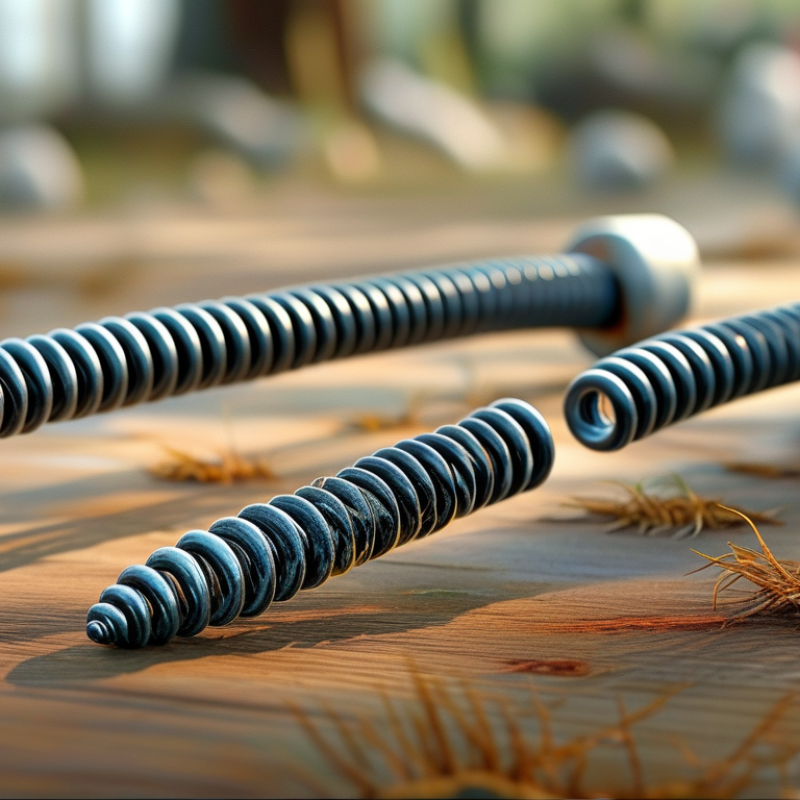
When it comes to trampoline safety, understanding the condition of the springs is essential. Stretched trampoline springs can affect performance and safety. If you notice a decrease in bounce or uneven landing, these may signal stretched springs. Parents should regularly check these components to ensure a safe jumping experience.
Look for signs of visible wear. If the springs appear rusty or have lost their elasticity, it’s time to take action. A spring that does not return to its original shape after use compromises the trampoline’s function. Additionally, listen for unusual noises while jumping; squeaks or creaks can indicate worn-out metal. Healthy springs should operate silently and smoothly.
It’s important to reassess trampoline maintenance habits. Regular inspections ensure that issues are caught early. Not addressing worn or stretched springs can lead to accidents or injuries. A proactive approach is key to safe play. Ignoring these signs can turn a fun afternoon into a hazardous situation. Ensure your trampoline remains in top condition by monitoring its springs closely.
Trampoline springs play a pivotal role in the overall functionality and safety of your equipment. According to industry reports, the lifespan of trampoline springs typically ranges from three to five years, depending on usage and maintenance. Frequent jumping can lead to metal fatigue, causing springs to stretch or become less effective. Observing the condition of your springs regularly can help detect early signs of wear and tear.
Stretched out springs affect the jump quality significantly. When the springs lose tension, the bounce height decreases, which can lead to a less enjoyable experience. Reports suggest that a trampoline with stretched springs may lose up to 30% of its original bounce capacity. This decrease makes it crucial to monitor springs continuously. Signs like rust or visible elongation indicate the need for replacement or further inspection. Keeping your trampoline safe begins with understanding how these components function and age over time.
Many users overlook springs until they notice a decline in performance. This habit can lead to accidents or injuries. For enhanced safety, performing regular checks is essential. Look for signs of corrosion or unusual stretching. Ignoring these details can compromise enjoyment and safety. Awareness of spring functionality not only informs maintenance practices but also fosters a safe jumping environment for all users.
Trampoline springs play a crucial role in ensuring a safe and enjoyable bouncing experience. Over time, these springs can stretch, leading to poor performance. One common indicator of spring deformation is a noticeable decrease in bounce height. If the trampoline feels less responsive, it may be time to inspect the springs closely. According to industry reports, stretched springs can reduce trampoline performance by up to 30%.
Another sign of stretched springs is uneven tension across the trampoline. This unevenness can cause the mat to sag, leading to an unbalanced bounce. If you notice the mat dipping in certain areas, the springs may be losing their effectiveness. Regular inspections and maintenance can help identify issues early. A study from the American Society for Testing and Materials suggests checking springs every six months.
Keeping your trampoline in good shape is essential. Inspect the springs for rust and wear. Ensure they are securely attached and aligned properly. Replacing stretched springs is a proactive approach to maintaining performance. Don't overlook these signs. If in doubt, consult a trampoline safety expert to assess the condition of your equipment.
When trampoline springs stretch out, the impact on bounce height can be significant. Stretched springs lose their ability to generate enough tension. As a result, bounce heights decrease. This affects the jump experience. Lower bounce height can frustrate users seeking fun or exercise. If children are using the trampoline, this could lead to less enjoyment.
Safety becomes a concern when springs are stretched. Shorter bounce heights mean less control during jumps. This raises the risk of falls or injuries. A trampoline that does not provide adequate bounce may encourage risky behavior. Users might try to compensate for height by jumping harder, leading to danger. Regular inspection of springs is essential to maintain safe fun. Observing the state of your trampoline can prevent accidents and ensure a thrilling experience.
Being aware of stretched springs is vital. Not everyone checks their trampoline regularly. This negligence can lead to dangerous situations. If you notice any signs of wear, consider replacing your springs. Keeping your trampoline in good condition is a responsibility that ensures safety and enjoyment for everyone.
Trampoline springs are crucial for a safe and effective bounce. When they become stretched, performance suffers. Look for signs indicating it's time for maintenance. If your trampoline feels less bouncy, check the springs. It might be time for a thorough inspection.
Regular maintenance is key. Clean the springs periodically with a simple water solution. Inspect for rust or wear. Rusty springs should be replaced immediately. If you notice any cracks or complete breaks, don't hesitate. Safety comes first.
Replacement can be tricky. Not all springs are the same length or tension. Research your trampoline's specifications before buying new ones. Consider consulting an expert for guidance. Avoid using mismatched springs; they can lead to uneven bouncing. Take the time to reflect on your maintenance routine, and always prioritize your safety.
| Sign | Description | Action |
|---|---|---|
| 1. Reduced Bounce Height | Springs have lost tension, leading to shorter jumps. | Inspect springs and consider replacement. |
| 2. Visible Wear and Tear | Fraying or rusting indicates damage. | Replace worn springs immediately. |
| 3. Noisy Operation | Unusual creaking or squeaking sounds when jumping. | Lubricate or replace springs to avoid accidents. |
| 4. Uneven Surface | Springs aren't evenly tensioned, affecting bounce. | Adjust or replace springs for even tension. |
| 5. Springs Stretch Beyond Normal | Springs appear elongated and do not return to original shape. | It's time for replacement to ensure safety. |
| 6. Frequent Breakage | If springs break often, they're likely worn out. | Consider replacing all springs if breakage persists. |
| 7. Age of the Springs | Springs over 5 years old may lose elasticity. | Evaluate the lifespan and replace if needed. |
| 8. Inconsistent Performance | Trampoline feels sluggish or unresponsive. | Check springs for damage or wear. |
| 9. Discolored Springs | Rust discoloration indicates deterioration. | Replace springs to prevent further damage. |
| 10. Safety Concerns | Any concerns about the stability and safety. | Prioritize safety and replace springs as necessary. |
: Decreased bounce and uneven landings indicate stretched springs. Regular checks are vital for safety.
Look for rust, loss of elasticity, and visible wear. These signals show the springs need attention.
Squeaks or creaks during jumping may mean the springs are worn out. Healthy springs operate quietly.
Regular inspections catch issues early. Ignoring problems can lead to accidents. Safety should always come first.
Use a simple water solution to clean them. Keeping them clean prevents rust and prolongs their life.
Replace rusty springs immediately. Safety is more important than keeping old springs.
Yes, but ensure you know the correct specifications. Mismatched springs lead to uneven bouncing.
Ignoring them can lead to injuries. It’s crucial to prioritize trampoline safety with proactive maintenance.
In determining how to tell if your trampoline springs are stretched out, it is essential to understand their functionality and lifespan. Trampoline springs are crucial for propelling the jumper into the air, and over time, wear and tear can lead to deformation. Common signs of stretched springs include reduced bounce height, a noticeable sagging of the trampoline mat, and abnormal noises during use. These indicators not only impact the performance but also raise safety concerns.
To maintain a safe and enjoyable jumping experience, it is vital to regularly inspect your trampoline springs. If you notice any of the aforementioned symptoms, consider following recommended maintenance and replacement guidelines. Addressing stretched springs promptly can help preserve the trampoline’s performance while ensuring the safety of its users.
ProGear Sport