How to Secure Your Trampoline Before a Hurricane Hits?

Time:2026-08-05 Author:Sienna
0%

When a hurricane approaches, preparing your home is crucial. One important aspect is what to do with a trampoline when a hurricane is coming. Properly securing your trampoline can prevent damage to your property and keep the surrounding area safe. These large structures can turn into dangerous projectiles if not handled correctly.

Many people may overlook the trampoline in their yard during hurricane preparations. However, neglecting it can lead to catastrophic results. Experts recommend taking down the trampoline and storing it indoors if possible. If that's not feasible, properly anchoring it is essential. This includes removing any loose items and securing the frame with heavy weights. Each choice matters; the right actions can prevent accidents.

Understanding local weather patterns is vital. Knowing when a hurricane is likely to hit can guide your preparations. It's important to plan ahead and stay vigilant. Evaluating your trampoline’s condition is also critical. An old or damaged trampoline may not withstand high winds. Remember, your safety and that of your neighbors are paramount during storm season. Taking time to properly secure your trampoline can save lives and property.
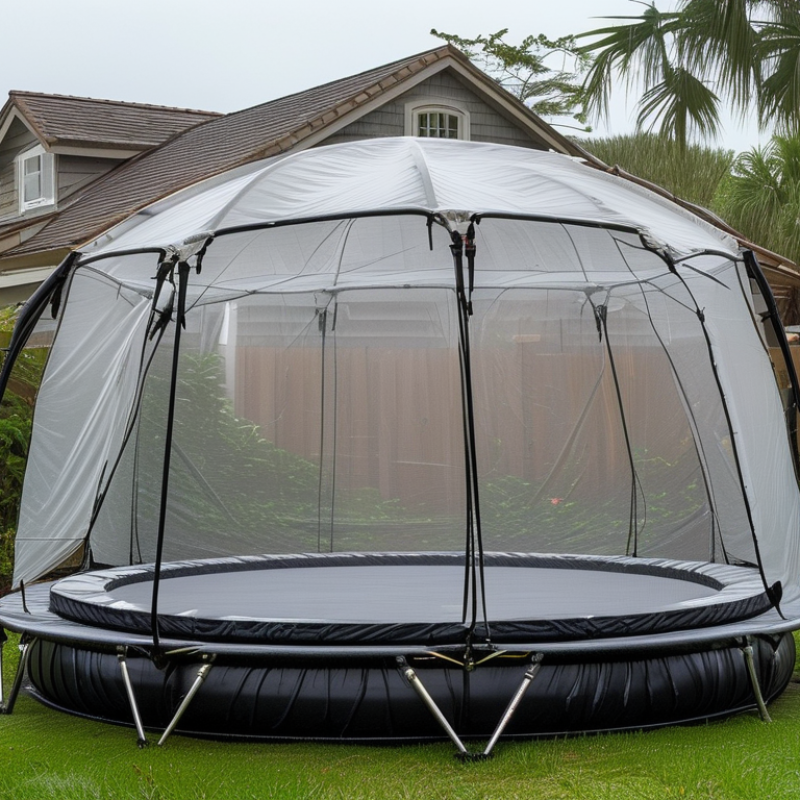
How to Secure Your Trampoline Before a Hurricane Hits?

Assessing the Risks of Leaving a Trampoline Outside Before a Hurricane

Before a hurricane strikes, evaluating the risks of leaving a trampoline outside is crucial. Strong winds can easily lift unsecured trampolines, turning them into dangerous projectiles. This can cause property damage and injury to neighbors or passersby. The lightweight frame and flexible material make them particularly vulnerable.

Look at your surroundings. Are there trees or structures nearby? Assessing the landscape helps gauge potential hazards. If the trampoline is in a windy area, the risk increases. You might think your trampoline is secure, but winds can surprise. Check local weather forecasts. If a hurricane is approaching, taking action is essential. Consider removing it from your yard if you have space.

It’s easy to underestimate this task. Many will think, “It won't happen to me.” But ignoring storm warnings can lead to costly mistakes. Every year, trampolines cause injuries and damage. Be proactive; prepare well ahead. Search for safe storage options and discuss a plan with neighbors. Even small steps can significantly reduce risks during hurricane season.

Gathering Essential Supplies for Securing Your Trampoline

When preparing for a hurricane, securing your trampoline is essential. Strong winds can easily turn a trampoline into a dangerous projectile. The first step is to gather essential supplies to ensure your trampoline remains stable. Invest in heavy-duty anchors, which can withstand severe weather. According to the American Society of Civil Engineers, proper anchoring can reduce wind uplift by up to 50 percent.

Look for straps or bungee cords that can tie down the edges of the trampoline. These materials should be durable and resistant to outdoor conditions. Additionally, consider using sandbags or weights around the legs of the trampoline. Data shows that adding weight can increase stability and prevent the trampoline from becoming airborne.

Ensure that all parts are checked before a storm hits. Carry out regular maintenance to identify any wear and tear. A report from the National Oceanic and Atmospheric Administration highlights that many trampoline accidents occur due to lack of preparation. Ignoring these details might compromise your safety and property. Reflecting on your preparations can lead to better outcomes in extreme weather conditions.

Step-by-Step Instructions for Disassembling the Trampoline Safely

When preparing for a hurricane, securing your trampoline is crucial to protect both your property and the trampoline itself. Disassembling it safely requires careful steps to reduce risks. Begin by gathering necessary tools like a wrench or socket set. Make sure you have a flat surface to work on, preferably in a calm area away from wind.

To start disassembling, remove the safety net and ladder. This minimizes height and prevents wind from catching these components. Next, begin unscrewing the bolts that connect the trampoline frame. It’s best to do this in a systematic way to avoid losing any parts. Keep each piece organized.

**Tips:** Use a tarp or blanket to cover the trampoline mat during disassembly. It protects the surface and keeps it clean. Another suggestion is to have a helper. Working together makes the process smoother and safer. Remember, securing your trampoline is not just about taking it apart; consider storing the parts indoors if possible. This added measure will reduce the risk of damage in severe weather. Be mindful that some steps may require adjustment based on your trampoline's design.

Effective Methods for Securing a Trampoline to the Ground

Securing your trampoline before a hurricane is crucial for safety and property protection. High winds can easily lift unattached trampolines, causing significant damage. According to the National Oceanic and Atmospheric Administration, wind speeds during hurricanes can exceed 100 mph. This can turn a trampoline into a dangerous projectile.


One effective method is to anchor the trampoline to the ground using heavy-duty weights or ground anchors. Many recommend using concrete blocks or sandbags. Research indicates that each anchor should withstand tension loads of up to 600 pounds. This ensures the trampoline remains stable even under extreme conditions. It’s valuable to check that your anchoring method is suited for the size and type of trampoline you have.


Another strategy involves disassembling parts of the trampoline. Remove the safety net and padding, which are often vulnerable to wind damage. Store these components indoors or in a sturdy garage. While this may seem inconvenient, it greatly reduces the chance of your trampoline being damaged or causing harm. Reflect on which method works best for you, and don’t hesitate to combine strategies for optimal safety.

Alternative Solutions: Storing Your Trampoline in Severe Weather

Severe weather can pose significant risks to outdoor equipment like trampolines. When a hurricane approaches, strong winds can easily lift and toss unsecured trampolines. In fact, according to the National Hurricane Center, wind speeds during hurricanes can exceed 100 mph. This atmospheric force can transform a trampoline into a dangerous projectile.

One alternative solution is to securely store your trampoline indoors. When disassembled and tucked away, the trampoline is shielded from winds and debris. Research shows that indoor storage significantly reduces the risk of damage, which can cost homeowners hundreds in repairs. If space is tight, consider using a garage or shed. Even a small outdoor tarp can provide temporary protection when indoor storage is not available.

Additionally, you can cover a trampoline with heavy weights, such as sandbags or concrete blocks. Some professionals recommend placing weights on each corner and securing the frame to nearby stable objects. This method may not be as effective as complete storage, but it can reduce the chance of airborne mishaps. However, these solutions are not perfect. They require regular inspection and adjustment to ensure effectiveness.

Trampoline Security Measures Before a Hurricane

FAQS

: What are the risks of leaving a trampoline outside before a hurricane?

: Strong winds can lift unsecured trampolines, turning them into dangerous projectiles. This can damage property and injure people.

How can I assess my trampoline's risk in a storm?

Look at nearby trees or structures. If in a windy area, the risk increases. Evaluate local weather forecasts too.

What should I do if a hurricane is coming?

It’s essential to act quickly. Consider removing the trampoline from your yard if you have space to store it.

What supplies do I need to secure my trampoline?

Gather heavy-duty anchors, straps, bungee cords, and weights. These can stabilize the trampoline against strong winds.

How do I ensure my trampoline is stable before a storm?

Check all parts for wear and tear regularly. Maintenance helps avoid accidents caused by lack of preparation.

What’s a good method for storing a trampoline indoors?

Disassemble the trampoline and tuck it away securely. Indoor storage protects against winds and flying debris.

Are there alternatives if I can’t store my trampoline indoors?

Use heavy weights on the trampoline's corners and secure the frame to stable objects. This offers some protection but isn't foolproof.

Why is it a mistake to underestimate hurricane risks?

Ignoring storm warnings can lead to costly damage. Every year, mishaps happen due to a lack of preparation.

What if I can't fully secure my trampoline?

Even partial measures help. Regularly inspect and adjust your weights or coverings to maintain effectiveness.

How can I be proactive in hurricane preparations?

Discuss plans with neighbors and research safe storage options. Small actions can significantly reduce risks during storms.

Conclusion

Securing your trampoline before a hurricane is crucial to prevent it from becoming a dangerous projectile. First, assess the risks of leaving the trampoline outside, as strong winds can easily lift it and cause damage. Gather essential supplies like ropes and stakes, and follow a step-by-step guide to safely disassemble the trampoline if necessary. If disassembly isn't feasible, consider effective methods for securing it to the ground.

Additionally, storing your trampoline in a safe location is a reliable alternative during severe weather. Understanding what to do with a trampoline when a hurricane is coming can save both your equipment and ensure safety in your vicinity. Taking these precautions will help mitigate the risks associated with harsh weather conditions and protect your property.

Sienna

Sienna

Sienna is a skilled marketing professional with a deep expertise in our company’s core products and services. With a passion for innovation and detail, she plays a pivotal role in crafting insightful blog posts that not only highlight the unique features of our offerings but also provide valuable......