How to Level a Trampoline on a Slope Without Digging?

Time:2026-07-21 Author:Amelia
0%

Installing a trampoline on uneven ground can seem daunting. Many think digging is necessary for leveling, but that is not always the case. In this guide, we will explore effective methods on how to level a trampoline on a slope without digging.

Picture a backyard where kids bounce joyfully on a trampoline. However, placing it on a slope can lead to safety concerns. Uneven surfaces may cause instability, risking injuries. Fortunately, there are practical solutions to keep the trampoline secure and fun.

Using materials like adjustable feet or leveling pads can create a stable base. Weighted objects might also help balance the trampoline without major landscape alterations. Exploring these options gives you valuable insight and practical know-how. As we dive deeper, consider the safety implications. Every choice should enhance stability and user experience. Happy bouncing!
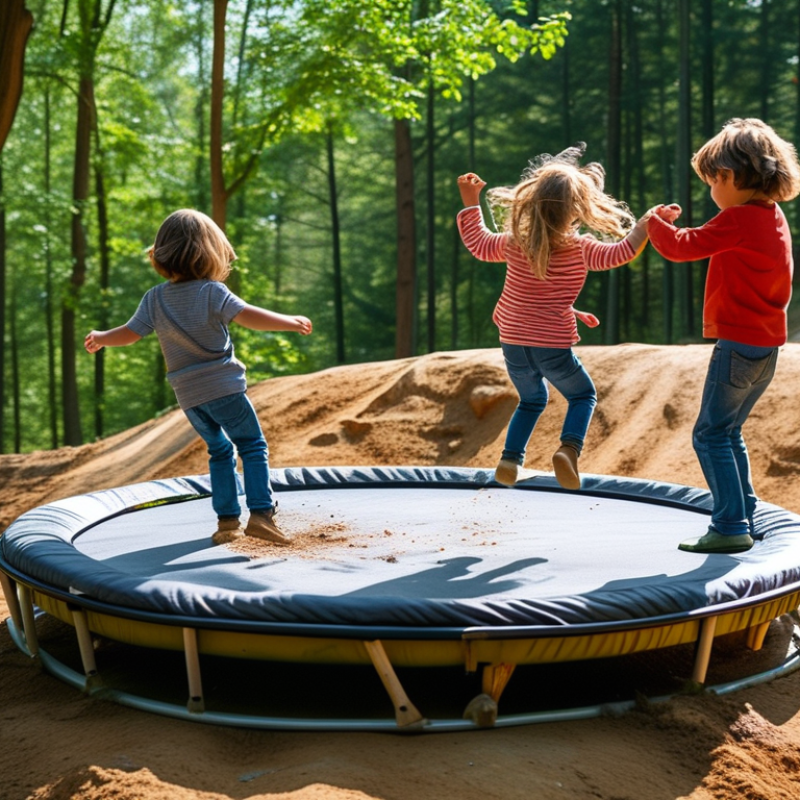
How to Level a Trampoline on a Slope Without Digging?

Understanding the Challenges of Leveling a Trampoline on a Slope

Leveling a trampoline on a slope can present unique challenges. The uneven ground creates a risk for falls and injuries. It's essential to address these issues before setting up the trampoline for safe use. Many overlook this aspect, leading to potential accidents. Understanding the terrain is crucial. Observing how the slope interacts with the trampoline helps in making informed decisions.

Using blocks or wooden supports might seem straightforward. However, it often results in instability. Finding the correct height for each side can be time-consuming. Miscalculations can lead to an improperly leveled surface, making the trampoline bouncy and unsafe. A visual inspection of the setup is vital after installation. It’s easy to miss small details that can impact safety.

Consider how the trampoline will be used. Heavy use can change how it sits on sloped ground. Families with children might find that regular jumping shifts the trampoline. It’s crucial to check the level often. Reassessing the situation allows for adjustments. Engaging family members in this process can help spot issues early. Remember, patience and careful planning are key in this endeavor.

Tools and Materials Required for a Slope-Leveling Project

Leveling a trampoline on a slope is not just about aesthetics; it’s crucial for safety. When planning a slope-leveling project, you need specific tools and materials. A shovel is essential for any earth-moving task. A spirit level will help you determine the evenness. Stakes and string lines assist in marking your desired level. For better stability, use concrete blocks or timber for support.

Consider additional materials like crushed stone or gravel to fill uneven areas. According to industry reports, nearly 40% of trampoline injuries occur due to improper installation. Improperly leveled trampolines can lead to dangerous falls. Hence, investing in quality materials is vital for your project’s success.

Tips: Always check local guidelines regarding trampoline installation. Some areas have specific rules for safe equipment setup. Remember, a level foundation is key to enjoyment. It’s easy to overspend on fancy equipment but keep it simple; focus on functionality. While leveling, don’t rush. Take time to get it right. A well-leveled trampoline ensures a safe jumping experience for everyone.

Step-by-Step Guide to Prepare the Trampoline Site

When preparing to level a trampoline on a slope, selecting the right location is crucial. Look for a flat area with enough space around the trampoline. Clear away any debris, rocks, or sharp objects. This ensures a safe environment for jumping. You may need to measure the slope carefully. Use a level tool to check where adjustments are necessary.

Building a support platform helps stabilize the trampoline. Use strong, durable materials like wood or blocks. Place these materials under the legs of the trampoline to raise them. This method avoids digging and minimizes disturbance to the landscape. Adjusting the height might take some trial and error. You want it to be secure but also comfortable for the jumpers.

Don’t forget to check for uneven surfaces after installation. Trampolines might still shift slightly over time. It’s essential to inspect them regularly for safety. Take time to reassess the supports and ensure they are firm as well. Proper leveling is not just about aesthetics; it’s about safety and enjoyment. Making adjustments can improve the experience significantly. Your trampoline setup should be a fun, worry-free place for family and friends.

How to Level a Trampoline on a Slope Without Digging? - Step-by-Step Guide to Prepare the Trampoline Site

Step Action Tools Needed Notes
1 Choose a Location None Select a site with minimal slope and away from obstacles.
2 Measure the Slope Leveling tool, measuring tape Determine the degree of slope to plan leveling.
3 Prepare the Ground Shovel, rake Clear debris and level out high spots.
4 Create a Base Wooden boards, gravel Use boards to build a level base and fill with gravel.
5 Adjust Trampoline Legs None Ensure the legs are level on the base.
6 Test Stability None Jump on the trampoline to check for safety and stability.

Techniques for Stabilizing the Trampoline Without Digging

When leveling a trampoline on a slope, stability is key. According to industry reports, approximately 80% of trampoline injuries occur due to improper installation and lack of stability. Instead of digging, consider using natural materials for support. Stone or sturdy logs can help create a flat surface underneath the trampoline, allowing for a more stable setup. Ensure these materials are secure to prevent shifting, which can lead to accidents.

Another approach involves utilizing adjustable stabilizers. These can be added to the legs of the trampoline. A study showed that using stabilizers can reduce movement by up to 70%. Make sure to check the ground regularly, as natural shifting can occur. The ground can settle, leading to unevenness over time. Regular assessments are crucial to maintaining safety.

You might find that the trampoline is not completely level, even with adjustments. This is where careful thought is essential. Using a bubble level can help ensure all corners are even. However, even the best placements might not eliminate all tilt. Being aware of these imperfections is vital for ongoing safety. Aim for balance while accepting that complete perfection might not be achievable.

Safety Tips for Using a Trampoline on Uneven Ground

Using a trampoline on uneven ground poses unique safety risks. According to the American Academy of Pediatrics, falls account for the majority of trampoline-related injuries. Ensuring stability is vital. A trampoline set up on a slope can lead to unpredictable bouncing, increasing the likelihood of injury.

When placing a trampoline on a slope, consider its angle. A steep incline can lead to excessive tipping. The safer approach is to find a less steep area. If necessary, leveling the ground using wooden beams can provide support without the need to dig. Always check the manufacturer's recommendations for placement guidelines.

Remember these safety tips. Surround the trampoline with a level safety zone to minimize fall risks. Use safety nets to prevent falls off the sides. Regularly inspect the trampoline for wear and tear. Additionally, avoid multiple jumpers at a time. Studies show that over 60% of injuries occur with more than one person on the trampoline. Plan for these challenges and prioritize safety measures while having fun.

FAQS

: What are the challenges of leveling a trampoline on a slope?

: Uneven ground increases risks of falls and injuries. Properly leveling is essential for safe use.

How can I stabilize a trampoline on sloped ground?

Using blocks or wooden supports may help, but can also create instability.

Why is visual inspection important after setup?

It helps catch small details affecting safety. Overlooking these can lead to accidents.

How does heavy use affect a trampoline's stability?

Regular jumping can shift the trampoline, requiring frequent checks on its level.

What safety risks are associated with uneven ground?

Uneven surfaces can cause unpredictable bouncing, heightening injury risks.

How steep should the incline be for safe trampoline use?

A gentler slope is safer. Steeper inclines can lead to tipping and instability.

What should I include in the trampoline's safety zone?

Surround the trampoline with a level area and use safety nets. This reduces fall risks.

How often should I inspect my trampoline?

Regular inspections for wear and tear are crucial. Address any issues promptly.

How many jumpers should be on the trampoline at once?

Limit to one jumper at a time. Most injuries occur with multiple jumpers.

What is important to remember while setting up a trampoline?

Patience and planning are key. Engaging family can help spot potential issues.

Conclusion

When considering how to level a trampoline on a slope without digging, it's essential to first understand the challenges posed by uneven terrain. Proper preparation is crucial, which includes gathering the right tools and materials that will aid in stabilizing the trampoline. A step-by-step approach can help in preparing the trampoline site effectively, ensuring it is safe and secure.

Using techniques such as adjusting the legs, adding support beams, or utilizing leveling mats can help maintain stability without the need for excavation. Furthermore, it's important to follow safety tips for using a trampoline on uneven ground to minimize risks. By implementing these strategies, you can enjoy a safe and enjoyable trampoline experience, even on a slope.

Amelia

Amelia

Amelia is a seasoned marketing professional with a wealth of expertise in our company’s core offerings. With an unwavering passion for driving growth and innovation, she plays a pivotal role in shaping our marketing strategies and enhancing brand visibility. A key aspect of her responsibilities......