Creating a functional home gym in your living room can be a challenge. Many homeowners worry about how to hide a home gym in a living room so it doesn't look ugly. With thoughtful planning, you can seamlessly integrate your workout space into your living environment. This approach not only maintains aesthetics but also encourages an active lifestyle.
Begin by selecting versatile fitness equipment. Foldable or compact items save space. Consider adding decorative storage solutions to conceal clutter. An attractive cabinet can hold weights, mats, and resistance bands. Adding a few plants enhances the atmosphere while distracting from gym gear.
Use furniture strategically. A stylish room divider or screen can offer privacy during workouts. Find harmonious colors and textures that fit your decor style. By choosing the right design elements, you can create a balanced and inviting space. Remember, your home should inspire you, not clutter your mind with chaos.
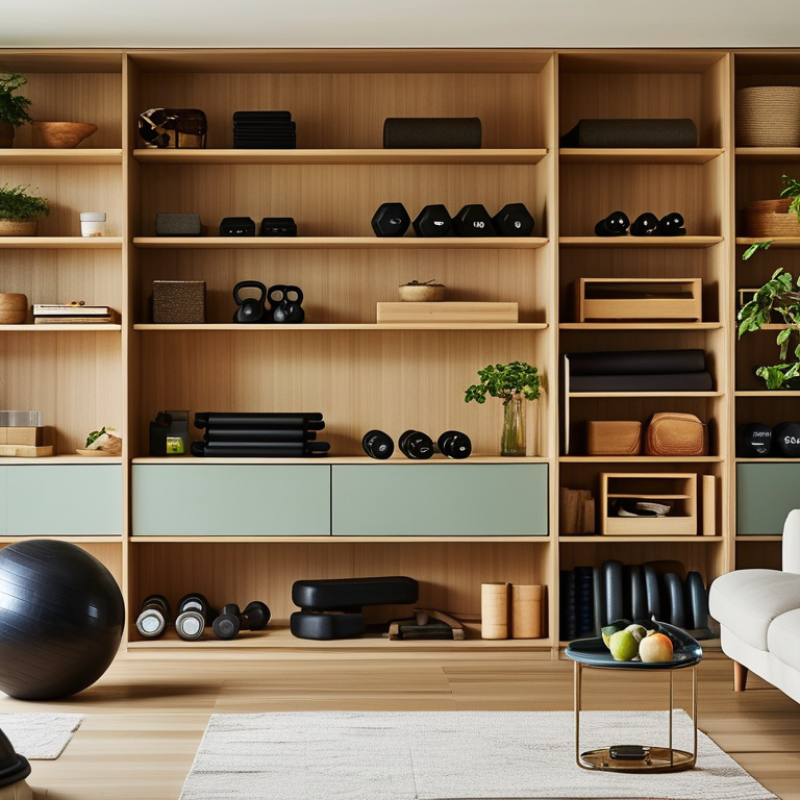
Integrating a home gym into your living room can enhance both aesthetics and functionality. According to a report by the Global Wellness Institute, the home fitness market is expected to grow by 23% by 2025. This growth reflects the rising interest in fitness. People want to exercise without compromising their living space.
One effective strategy is to choose versatile furniture. Use ottomans or benches that double as workout equipment. This approach minimizes clutter, creating a streamlined look. Implementing storage solutions, like cabinets or attractive baskets, can keep weights and mats hidden when not in use. Be mindful of color choices, too; softer color palettes can make your gym gear blend seamlessly into the room.
Mirrors are another critical element. They enhance natural light and make the space feel larger. Studies indicate that mirrors can boost workout motivation by 23%. Reflective surfaces also offer a stylish way to create the illusion of openness while showcasing your commitment to fitness. However, balance is key. Make sure not to overwhelm your space with too many mirrors or too much equipment; this can lead to visual chaos. Adjustments may be necessary as your lifestyle changes.
Creating a home gym that seamlessly fits into your living room requires thoughtful design and furniture choices. When selecting multi-functional furniture, consider pieces that can easily disguise your workout gear. A great option is a stylish ottoman that doubles as storage for weights or resistance bands. Look for sleek designs that blend in with your decor but provide hidden utility.
Another effective approach is to use a storage bench or a console table with ample internal space. These can hold yoga mats, kettlebells, or foam rollers out of sight. A coffee table with drawers serves this purpose well. Ensure these items are proportional to your room size for a balanced look.
It’s essential to reflect on your current layout. Sometimes, it's hard to visualize practicality when trying to create harmony. Experimentation may lead to unexpected discoveries about what fits best. Keep in mind, even the best planned spaces sometimes need adjustments over time. Flexibility in your design will keep it functional and visually appealing.
Creating a seamless transition between a home gym and a living room can be challenging. Professional organizers suggest that keeping gym equipment hidden is key to maximizing space. According to the American Home Fitness Report, 60% of people agree aesthetics can enhance their workout motivation. Use multi-functional furniture to achieve this. For example, consider stylish benches that double as storage for weights or yoga mats.
Incorporating slide-out compartments within entertainment units can effectively conceal gym gear without ruining the living room's ambiance. A survey from the National Association of Home Builders indicates that 50% of homeowners prefer open-plan spaces that feel cozy yet functional. Mash these preferences by using curtains or decorative screens. Featuring greenery can also serve as a cheerful cover for less aesthetic equipment.
Still, there are some pitfalls to avoid. Equipment that isn't regularly used may become cluttered and noticeable. A hidden gym area needs consistent upkeep. Dust can accumulate and ruin the appeal. Simple strategies like regular check-ins can help maintain a tidy, inviting space. Prioritizing organization will ensure the gym remains a part of your lifestyle without overwhelming your home.
Creating a hidden home gym in your living room can be both practical and aesthetically pleasing. Decorative storage solutions are key in achieving a sleek look. For instance, decorative baskets can hold resistance bands and smaller weights, blending functionality with style. Choose materials that match your existing decor. Woven baskets can add a natural touch, while metallic options bring a modern flair.
Using multi-functional furniture is another effective strategy. Consider an ottoman that doubles as storage. It can keep larger equipment, like yoga mats, out of sight. A coffee table with drawers may also serve this purpose. These items not only hide gym gear but maintain the living room's charm.
Do remember that the space may still feel a bit cluttered at times. It’s essential to regularly declutter and rotate visible items. Practice reflecting on how your gym elements fit into your lifestyle. Finding the right balance can take trial and error. Be patient with the process. Your living room should be a sanctuary, not a workout zone.
| Storage Solution | Description | Pros | Cons |
|---|---|---|---|
| Ottoman Storage | A stylish ottoman that opens up for storage. | Dual purpose, easy access, complements room decor. | Limited storage space, may not fit larger equipment. |
| Wall-Mounted Shelves | Shelves that can hold weights or gym accessories. | Saves floor space, keeps items organized. | Requires installation, might not hold heavy equipment. |
| Storage Bench | A bench that serves as seating and storage for gym items. | Functional, provides extra seating, keeps clutter away. | Can be bulky, limited to lighter items. |
| Cabinet | A sleek cabinet designed to hide gym accessories. | Elegant look, can store various equipment types. | Requires space, may be more costly. |
| Foldable Equipment | Home gym equipment that can be folded and stored away. | Space-saving, easy to use and store. | May not be sturdy for heavy workouts, limited options. |
Creating a home gym in your living room can be challenging. It requires thoughtful planning to maximize space. One effective method is to use multi-functional furniture. Consider a bench that doubles as storage. You can stash weights and yoga mats inside. This keeps clutter at bay and maintains a tidy look.
Look to vertical space as a valuable resource. Wall-mounted shelves or pegboards can hold your gear. This not only conserves floor space but also adds a unique design element. Use clear bins for smaller items. They help you quickly find what you need without rummaging.
Remember that comfort matters too. Choose a foldable treadmill or compact exercise bike. When not in use, you can easily tuck it away. A few plants or art pieces can help soften the gym feel. Think about lighting, as it plays a significant role in mood. Dimmer switches can create a serene atmosphere for workouts. Balancing aesthetics and functionality is key.
: Use multi-functional furniture to conceal equipment. Consider benches that store weights or yoga mats.
Decorative baskets create style and functionality. They can store resistance bands and smaller weights.
Regular check-ins are important. Dust can accumulate quickly and clutter may become noticeable.
Yes, plants can cover less aesthetic pieces. They add a cheerful touch to your space too.
Select materials that match your decor. Woven baskets offer a natural look; metallic ones add modernity.
Reflecting helps assess how gym elements fit your lifestyle. It ensures a balance in your living area.
Regularly rotate visible items and declutter to maintain a tidy appearance. Patience is key in this process.
They provide a cozy divide between gym areas and living spaces. This helps in maintaining a neat ambiance.
Ideally, it should be about both. A cohesive look enhances your motivation while keeping equipment organized.
Unused equipment can become clutter. Consider donating or storing items that aren’t regularly needed.
When considering how to hide a home gym in a living room so it doesn't look ugly, effective integration strategies play a crucial role. By choosing multi-functional furniture, such as ottomans or coffee tables with hidden storage, you can discreetly conceal gym equipment. It's essential to maximize space while keeping workout gear out of sight, which can be achieved through clever layout and arrangement techniques. Additionally, incorporating decorative storage solutions not only helps maintain a sleek aesthetic but also adds to the overall design of the living room.
Furthermore, using space-saving techniques, such as wall-mounted racks or foldable equipment, allows for an efficient home gym setup without overwhelming the living area. By thoughtfully combining these elements, you can create a functional yet visually appealing space that seamlessly blends your workout regime into your home’s decor, ultimately achieving a harmonious living environment.

ProGear Sport