Getting children away from iPads is not solved by simply hiding the charger. Parents need a realistic bridge between digital comfort and active outdoor play. The question is practical: How to get kids to use the backyard playset instead of iPads? Evidence gives this challenge urgency. Common Sense Media’s 2021 Census reported that children ages 8 to 12 averaged approximately five hours and 33 minutes of recreational screen media daily, excluding schoolwork. Younger children also showed substantial exposure. These figures describe all recreational media, not iPad use alone, but they reveal the scale of the habit.
Outdoor play deserves a stronger place in that routine. The World Health Organization recommends that children ages 3 to 4 receive at least 180 minutes of physical activity daily, including 60 minutes of moderate-to-vigorous activity. The American Academy of Pediatrics also encourages families to create consistent media plans and protect sleep, movement, and family interaction. A backyard playset cannot guarantee those outcomes. It is not a magic switch. Still, slides, climbing walls, swings, and shaded sand areas can make movement visible and inviting.
Start with a small invitation. Place a ball beside the steps, add sidewalk chalk near the slide, and offer a ten-minute “backyard mission.” An adult may need to join first. That part is easy to underestimate. Children often choose the iPad because it responds instantly, while outdoor play requires imagination, setup, and sometimes negotiation. The following guide combines pediatric guidance, screen-use data, and practical family experience to build a safer, more appealing transition from passive scrolling to active backyard play.
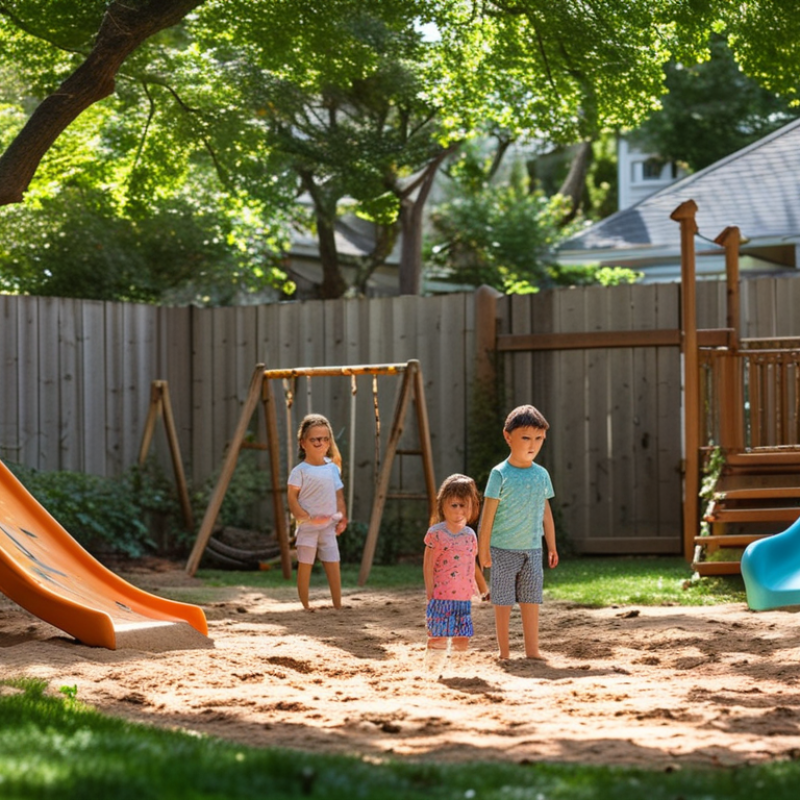
Backyard playsets compete with iPad time because they offer a different kind of reward. A screen gives instant color, sound, and feedback. A playset asks children to move, choose, and invent. Climbing develops balance, while swinging provides steady movement and sensory input. Pretend games also turn a simple platform into a pirate ship, fort, or rescue station.
I have seen children leave a tablet more willingly when the backyard already feels inviting. A shaded play area, loose balls, chalk, and a small water table can create that invitation. Child-development research generally supports active play because it strengthens motor skills, social confidence, and problem-solving. These benefits do not come from equipment alone. Adults may need to join briefly, suggest a game, or help children handle disagreements.
The transition can feel difficult.
A playset cannot match every digital feature. It may look ordinary after ten minutes, especially on a hot afternoon. That is where honest planning matters. Place it where adults can supervise, check bolts and surfaces regularly, and offer simple challenges that change over time. Try a treasure hunt one day and an obstacle course the next. Avoid turning outdoor play into another strict schedule. I sometimes expect too much from the equipment itself. Children may still choose the iPad, and that choice deserves patience rather than shame. The goal is not to remove technology completely, but to make movement, imagination, and shared play genuinely easy to reach.
A backyard playset should match a child’s physical skills, not only their age. Toddlers need low platforms, wide steps, sturdy handrails, and gentle slides. Older children may handle climbing walls, swings, and higher decks. Check the stated age range carefully. It is a useful guide, but it cannot replace supervision. A child’s confidence, balance, and coordination also matter.
Tips: Measure the play area before buying. Leave a clear fall zone around every platform and swing. Choose impact-absorbing ground cover, such as engineered wood fiber or approved rubber surfacing. Inspect bolts, ropes, railings, and swing seats each week. Look for sharp edges, loose parts, rust, and pinch points. Read the installation instructions fully. A rushed setup can create hidden hazards.
Place the structure on level ground, away from fences, pools, driveways, and tree branches. Secure it firmly according to the instructions, especially in windy regions. Keep younger children away from equipment designed for bigger kids. Separate play areas can reduce collisions. Adults should stay close enough to react quickly, even when children seem independent. I have learned that “almost safe” is not safe enough. Weather also changes surfaces, so recheck the set after heavy rain, strong wind, or winter freezing.
Top Ways to Get Kids Off iPads and Into Backyard Playsets
A gradual shift works better than a sudden ban. Child-development guidance supports predictable limits, active play, and family involvement. Start by shortening screen time by ten minutes every few days. Use a kitchen timer, not repeated warnings. Then invite your child outside before the usual tablet hour. A small backyard playset can become the new routine, especially when it offers climbing, swinging, and imaginative games. Keep expectations realistic. Some children resist outdoor play at first.
Create a simple transition ritual. Your child might place the iPad on a shelf, drink water, and choose one outdoor activity. Stay nearby for the first ten minutes. Push a swing, draw chalk roads, or pretend the playset is a rescue station. Children often continue playing when adults show genuine interest. I once expected my child to play independently too soon, and the plan failed. Outdoor play needed coaching before it felt natural. Avoid using outdoor time as punishment. That can make the backyard feel like another chore.
Tips: Keep outdoor sessions short at the beginning. Offer two choices, such as swinging or building a pretend fort. Store screens out of sight during play. Praise effort, not duration. Add shade, water, and comfortable clothing. If the shift feels difficult, slow down and adjust the routine. Consistency matters more than a perfect schedule.
| Age Group | Evidence-Based Screen-Time Guidance | Physical-Activity Benchmark | Gradual Transition Plan | Backyard Playset Ideas |
|---|---|---|---|---|
| Under 2 years | The World Health Organization recommends no sedentary screen time for infants and one-year-olds. For two-year-olds, screen time should not exceed 1 hour per day; less is better. | Infants should have several opportunities for floor-based activity each day. Toddlers should receive at least 180 minutes of varied physical activity spread throughout the day. | Replace one routine screen session with a short outdoor activity, such as 10–15 minutes of supervised exploration. Increase outdoor time gradually as the child adjusts. | Use low climbing features, shaded sensory play, push toys, bubbles, and simple objects for carrying, sorting, and reaching. |
| 2–4 years | The World Health Organization recommends no more than 1 hour of sedentary screen time per day; less is better. The American Academy of Pediatrics also recommends limiting routine media use to about 1 hour per day for ages 2–5. | At least 180 minutes of physical activity across the day, including at least 60 minutes of moderate-to-vigorous activity for children ages 3–4. | Set predictable screen windows, end sessions with a timer, and add a 20–30 minute outdoor block immediately afterward. Keep devices out of meals and bedtime routines. | Try slides, ramps, stepping paths, sand or water play, pretend shops, and simple obstacle courses with active adult participation. |
| 5–8 years | The American Academy of Pediatrics does not prescribe one universal daily limit for all children in this age group. Families are advised to set consistent limits that protect sleep, physical activity, schoolwork, and family time. | The Centers for Disease Control and Prevention recommends at least 60 minutes of moderate-to-vigorous physical activity every day for children ages 6–17. | Reduce recreational screen time by 10–15 minutes every few days while adding a specific outdoor alternative. Let the child choose between two active options to increase cooperation. | Add climbing, swinging, ball games, relay races, treasure hunts, timed challenges, and supervised playset circuits. |
| 9–12 years | Use a family media plan rather than relying only on a fixed number of hours. Screen use should not regularly displace sleep, homework, exercise, or social interaction. | At least 60 minutes of moderate-to-vigorous physical activity daily, with muscle- and bone-strengthening activities included on at least 3 days each week. | Agree on device-free periods, such as before school and during the first hour after school. Replace passive viewing with outdoor goals that can be tracked weekly. | Use basketball or soccer targets, climbing routes, jump-rope challenges, gardening tasks, and cooperative games with siblings or friends. |
| 13–17 years | Set limits collaboratively and review how recreational media affects sleep, school responsibilities, relationships, and physical activity. Avoid screens during the hour before bedtime when possible. | At least 60 minutes of moderate-to-vigorous physical activity daily, including vigorous, muscle-strengthening, and bone-strengthening activities on at least 3 days each week. | Use weekly targets instead of abrupt bans. Schedule outdoor time with friends, family, or pets and allow teens to help design the activity and timing. | Offer fitness circuits, outdoor games, gardening projects, equipment-based workouts, and informal sports that support independence and social connection. |
In my experience, children leave screens more willingly when the playset offers a small mystery. Hide colored stones beneath the steps and provide a simple picture map. Children can search, count, and describe what they find. This turns climbing into an outdoor investigation. Keep clues loose and open-ended. A child might discover a different answer than expected.
Movement works better when it feels like play, not exercise. Place soft targets near the playset and invite children to crawl, jump, or toss beanbags. Add a “quiet explorer” round, where they listen for birds or rustling leaves. Short challenges help children stay engaged without feeling pressured. A timer can help, but it sometimes makes imaginative play feel like homework.
Try changing one activity every few days. We once added too many rules, and the children quickly lost interest. That mistake mattered. Now, I offer two choices and let them modify the game.
Adults should check platforms, fasteners, surfaces, and nearby hazards regularly. Active supervision remains important, especially during climbing and balancing games. Activities should match each child’s age, coordination, and confidence. A child who hesitates may need a lower challenge, not encouragement to take a bigger risk.
A notebook beside the playset can capture questions, drawings, and new game ideas. Curiosity often grows from ordinary details, such as a feather caught in the ladder or ants crossing the sandbox.
A backyard playset becomes more useful when it belongs to a predictable family rhythm.
Set a daily outdoor window, perhaps 30 minutes after homework and before dinner. Keep the rule simple: tablets charge indoors while everyone steps outside.
Children often respond better to routines than sudden bans. On warm afternoons, we might begin with five swings, a climbing challenge, and a short game of chase. The exact plan can change. That flexibility matters.
Adults should join briefly, rather than supervise from a chair every time. I have seen children invent longer games when a parent starts the first round, then quietly steps back.
Keep water nearby, check bolts and surfaces weekly, and match activities to each child’s age and confidence.
Safety guidance recommends clear fall zones, active supervision for younger children, and equipment used as intended.
We once planned an ambitious obstacle course, but the children lost interest after ten minutes. The mistake was ours. We designed for exercise, not curiosity.
A better routine might leave chalk, scarves, and foam balls beside the playset. Some days bring energetic climbing. Other days bring quiet storytelling under the platform.
Keep phones inside. Mostly. A quick photo is harmless, but constant recording can interrupt shared experiences.
: Match the equipment to physical skills, not age alone. Toddlers need low platforms, wide steps, handrails, and gentle slides. Older children may manage climbing walls, swings, and higher decks. Confidence, balance, and coordination also matter. Age labels are only guides.
Measure the area before buying. Leave a clear fall zone around platforms and swings. Keep the structure away from fences, pools, driveways, and tree branches. Level ground is essential. Crowded spaces increase collision risks.
Use impact-absorbing ground cover. Engineered wood fiber or approved rubber surfacing can reduce injury severity. Hard soil and concrete provide poor protection. Recheck the surface after heavy rain or freezing weather. Weather changes everything.
Check bolts, ropes, railings, and swing seats every week. Look for sharp edges, rust, loose parts, and pinch points. Test anything that feels unstable. Small problems can grow quickly. I sometimes notice overlooked details later.
Read all installation instructions before beginning. Secure the structure firmly, especially in windy areas. Do not rush the setup. A hurried installation may hide dangerous weaknesses. Recheck anchors after severe weather.
Usually, they should not. Keep younger children away from taller decks and demanding climbing features. Separate play areas can reduce collisions. Choose activities that match each child’s balance and confidence. Supervision still matters.
Stay close enough to react quickly. Younger children need active supervision. Older children may play more independently, but adults should remain attentive. A chair across the yard may be too far. “Almost safe” is not safe enough.
Choose a predictable outdoor period, such as thirty minutes before dinner. Keep water nearby and leave simple items outside. Chalk, scarves, and foam balls can encourage creative play. Adults can start one game, then step back. That approach often works.
No. Leave room for curiosity and changing energy levels. Children may prefer climbing one day and storytelling under the platform another day. We once planned an obstacle course that lasted ten minutes. The plan was ours, not theirs.
Keep phones indoors when possible. Constant recording can interrupt shared experiences. A quick photo is usually harmless. Still, attention matters more than documentation. Sometimes I forget that.
Helping children trade iPad time for outdoor play begins with understanding what makes screens so appealing: instant entertainment, colorful feedback, and endless variety. A backyard playset can compete by offering safe, age-appropriate challenges, imaginative spaces, and opportunities to climb, slide, balance, and explore. Parents should choose equipment that matches their child’s abilities, check that it is sturdy and well maintained, and create a comfortable play area that invites regular use. The goal is not to remove screens suddenly, but to make outdoor time an enjoyable and realistic part of the day.
For families wondering How to get kids to use the backyard playset instead of iPads, a gradual routine can make the transition easier. Start with short outdoor sessions, then introduce playful missions, obstacle courses, storytelling games, nature hunts, or simple movement challenges. Parents and siblings can join in, helping children discover new activities and build confidence. By setting consistent daily play periods and celebrating curiosity, creativity, and active movement, families can turn backyard adventures into a rewarding habit.

ProGear Sport